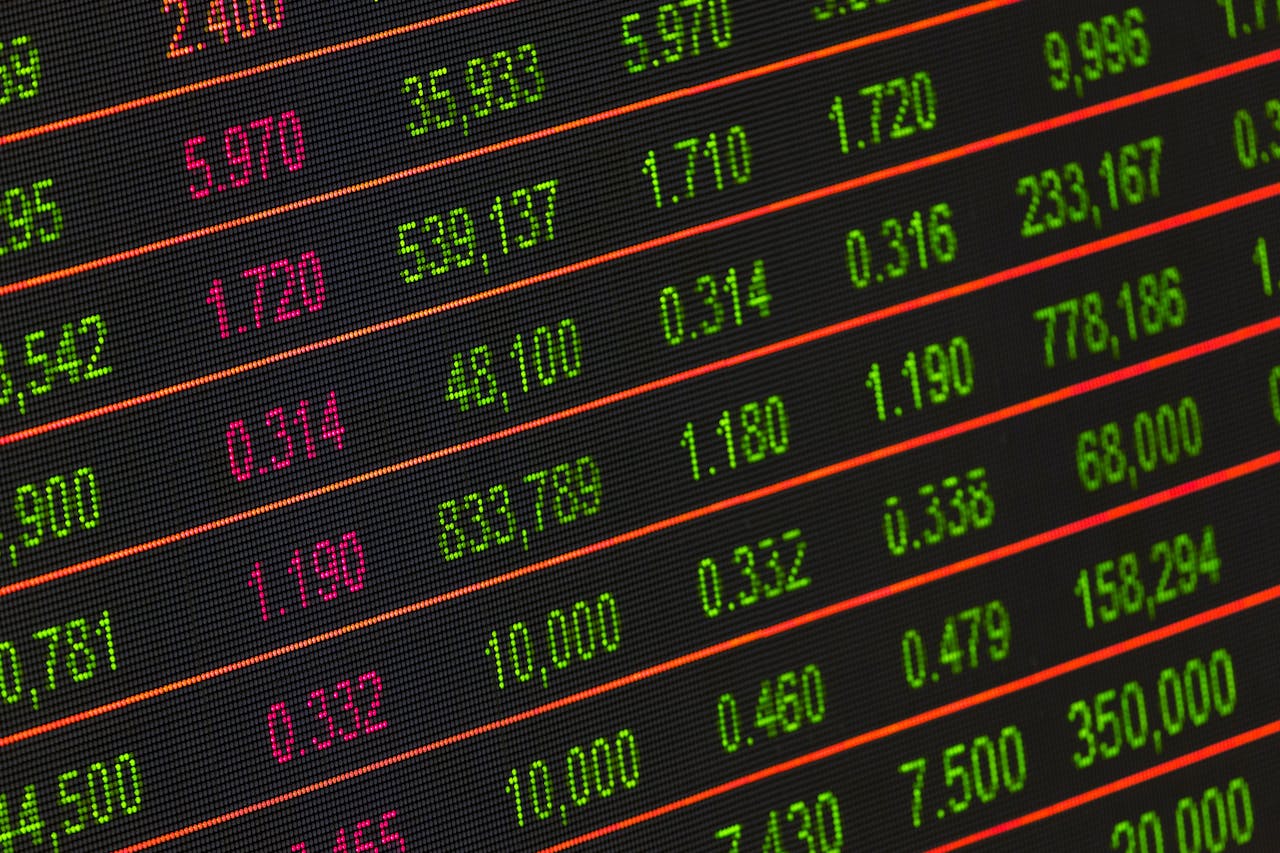
Algorithmic trading has established itself as one of the most revolutionary tools in modern financial markets. It consists of using computer programs capable of executing buy and sell orders following predefined rules. These rules can be based on technical indicators, statistical models, or even machine learning algorithms. The key is that the system makes decisions without leaving room for human emotions, which gives it discipline and consistency in highly volatile scenarios.
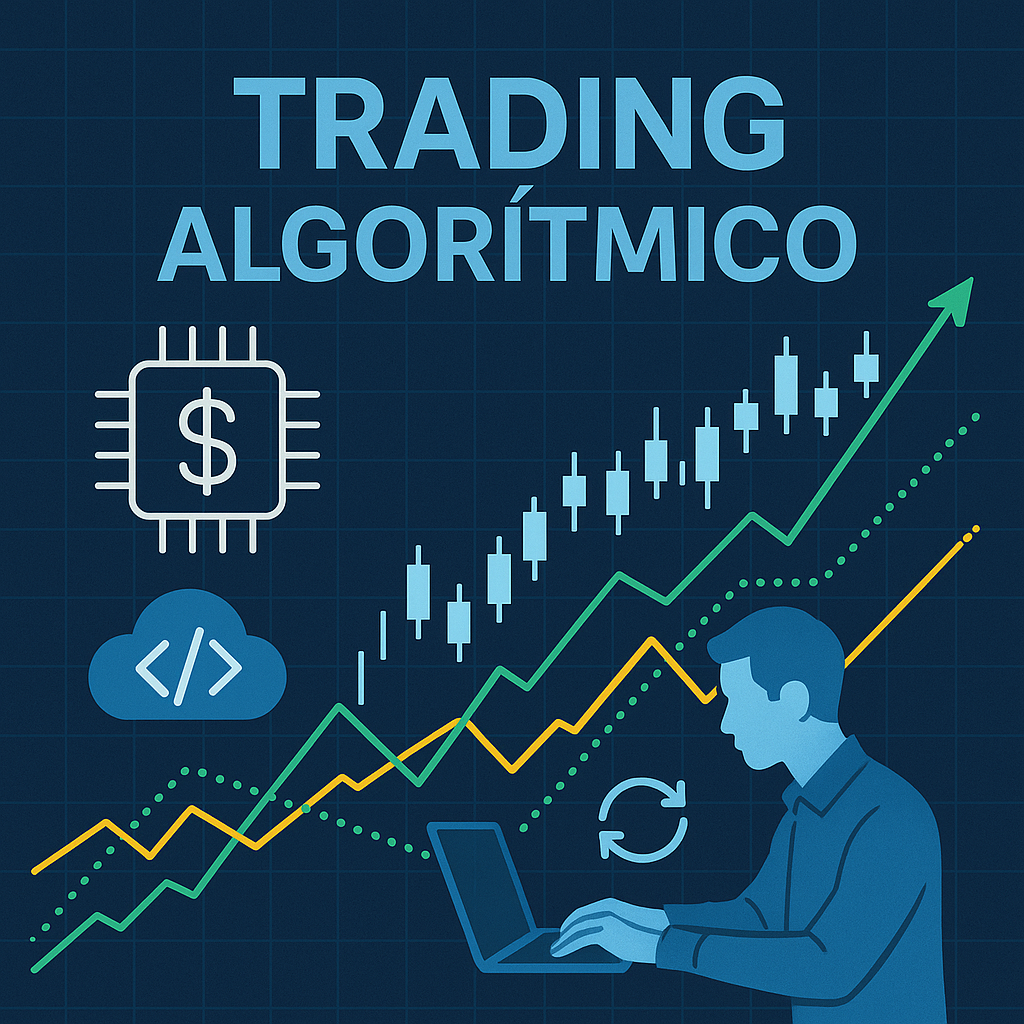
Today, algorithmic trading is no longer limited to investment banks and hedge funds. Thanks to access to advanced trading platforms and reduced technology costs, any retail trader can develop and test automated strategies. The democratization of access to these tools has radically changed the landscape, allowing investors with basic knowledge of programming and finance to compete on a more balanced footing against institutional actors.
What is algorithmic trading?
Algorithmic trading is, at its core, the automation of investment decisions using programmed instructions. These instructions set out when to enter or exit a trade, how to size the position, and which risk parameters to apply. The goal is to trade systematically, eliminating the subjectivity that characterizes manual trading.
Basic principles of algorithmic trading
A well-designed algorithmic system should have three main components: clear entry and exit rules, an efficient execution engine, and a solid risk management plan. These three pillars ensure that operations are consistent and replicable, even in scenarios of high uncertainty.
Immediate benefits vs. manual trading
Among the most obvious benefits is the ability to react quickly to changes in the market. While a human needs seconds or minutes to make a decision, an algorithm can execute an order in milliseconds. In addition, the system does not hesitate or be influenced by emotional factors, which ensures constant discipline.
Advantages of algorithmic trading
Algorithmic trading offers significant advantages over manual trading, which explains its growing popularity. First, there’s speed: algorithms can execute hundreds of trades in less than a second, which is essential in markets where every moment counts. This speed is impossible for a human operator to match.
Strict risk control
A crucial aspect of algorithmic trading is the ability to precisely define risk levels. Systems can be programmed to automatically close a trade when it reaches a stop loss or when it achieves a certain profit (take profit). This automation eliminates improvisation and protects the investor’s capital.
Operational diversification across assets
Algorithmic trading makes it easy to implement strategies in different markets at the same time. For example, a system can trade the forex market during the Asian session, European stock indices during the morning, and US futures in the afternoon. This ability to diversify time and geography offers a natural hedge against the volatility of a single market.
Historical evolution of algorithmic trading
Although it may seem like a recent phenomenon, algorithmic trading has more than half a century of history. Its first steps were taken in the 1970s, when financial institutions began using computers to speed up order execution and reduce operating costs. With the advent of the internet in the 1990s, algorithmic trading took a quantum leap forward with the emergence of electronic communication networks (ECNs). This laid the foundation for high-frequency trading (HFT), in which speed of execution became the most important competitive advantage.
How an algorithmic system works
The operation of an algorithmic trading system can be divided into four phases: data collection, signal generation, order execution, and evaluation of results. Prices, volumes, news and economic indicators are included in the data collection. Signals identify entry and exit conditions. Once generated, the system automatically sends orders to the market and subsequently evaluates the results.
Common Algorithmic Trading Strategies
There are multiple approaches. Among the best known are: arbitrage, which seeks to take advantage of price differences between markets; regression to the mean, which is based on the premise that prices tend to return to an average value; and momentum, which attempts to follow the predominant direction of a strong movement.
Importance of backtesting
Before implementing a system in the real market, it is essential to perform backtesting. This process involves applying the algorithm to historical data to check how it would have performed in different scenarios. The aim is to verify the robustness of the model and minimise the risk of losses under real conditions.
Future trends in algorithmic trading
The future of algorithmic trading will be marked by artificial intelligence and the use of large volumes of data. More and more systems are incorporating machine learning techniques, allowing them to adapt to changing market conditions without direct human intervention. The use of alternative data such as satellite imagery, social network analysis and IoT sensors will also increase. Finally, regulation will require greater transparency and auditing, forcing institutions to implement robust controls and explainability in their algorithms.
Learn about our algorithmic trading systems and take your trading to the next level with advanced and reliable technology.